Are peptides legal? Legal framework for research
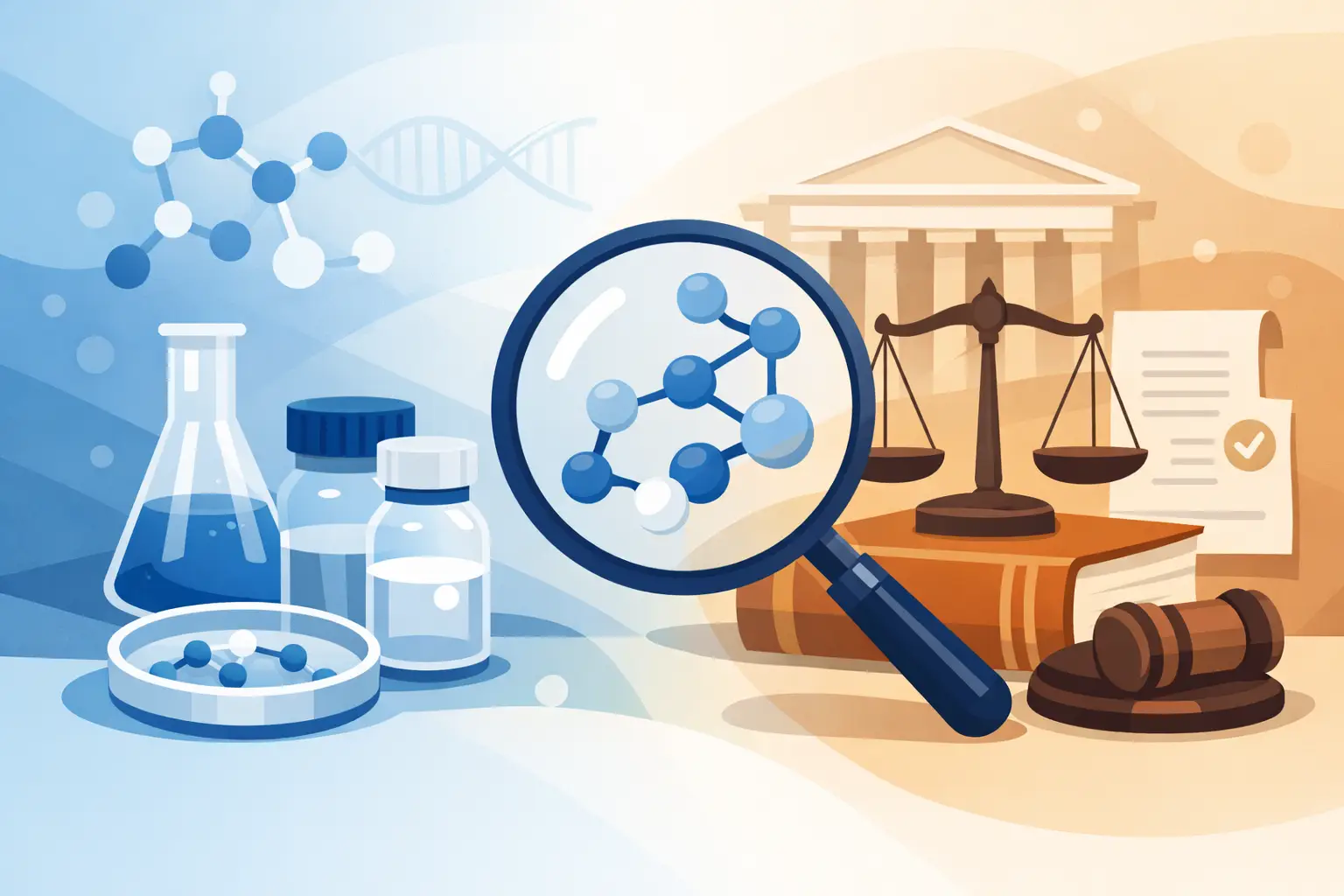
A peptide labeled as „research use only“ may be available for legal laboratory research, but the same substance cannot automatically be considered a drug, dietary supplement, or product for personal use. Question Are peptides legal? therefore, there is no one-size-fits-all answer. The specific compound, its classification, presentation, intended use, and the rules in force in the country where the product is sold, imported, or used will determine the answer.
It is essential for researchers to distinguish between the mere availability of material for in vitro work and the authorization to administer the substance to humans or animals. These are two legally and practically different situations. A transparent seller must communicate this boundary clearly, without therapeutic promises and without instructions for use outside the laboratory setting.
Are peptides legal in Slovakia?
Peptides as a chemical group are not universally banned in Slovakia. Peptides are short chains of amino acids and are used in research, for example, to investigate cell signaling, receptor mechanisms, metabolism, neurobiology, tissue regeneration, or skin biology. Their presence in the catalog research chemicals therefore, it does not in itself constitute a violation of the law.
Legality, however, is not a property of the product name. A particular substance may fall under different rules depending on whether it is marketed as a research chemical, a drug, a veterinary drug, a food, a dietary supplement, or a controlled substance. What matters is what claims the seller makes, who the product is being sold to, and what purpose the customer declares.
Research material intended solely for scientific purposes may be legally available to qualified institutions, if properly labeled and sold. However, this does not constitute a license for its human or veterinary use. If the product does not have the appropriate authorization as a medicinal product, it may not be presented as a means of diagnosing, preventing, treating or alleviating disease.
Purpose of use changes legal assessment
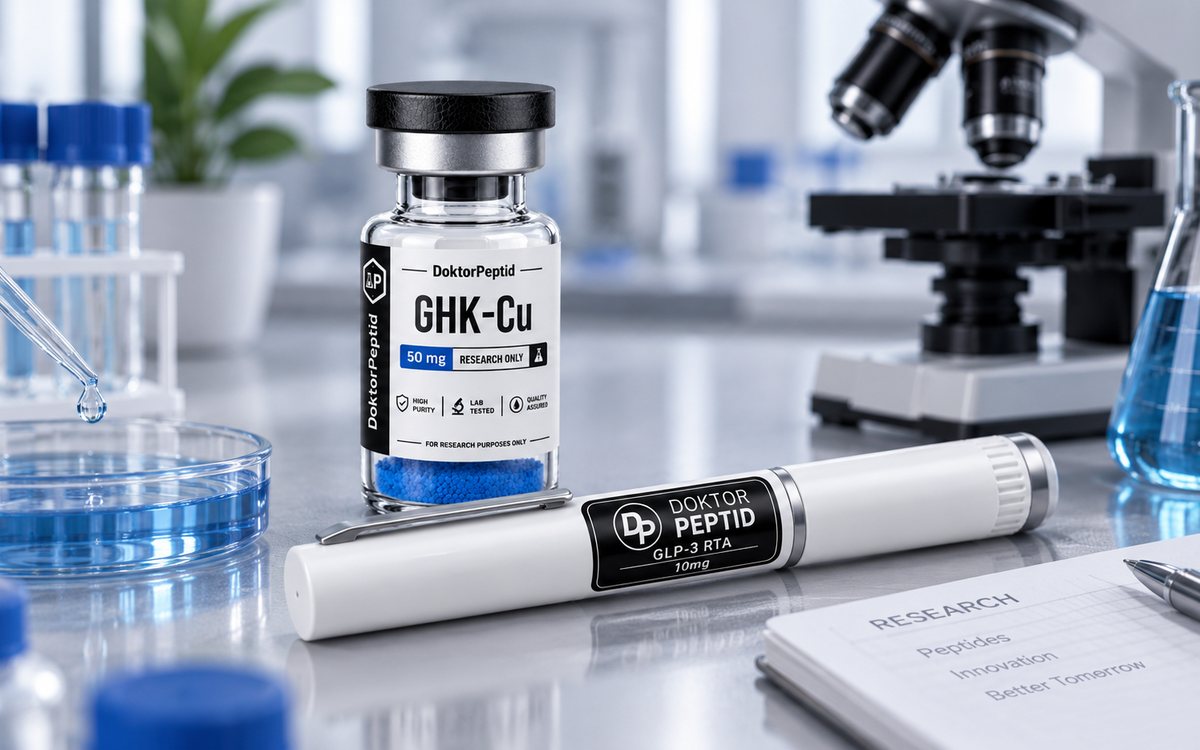
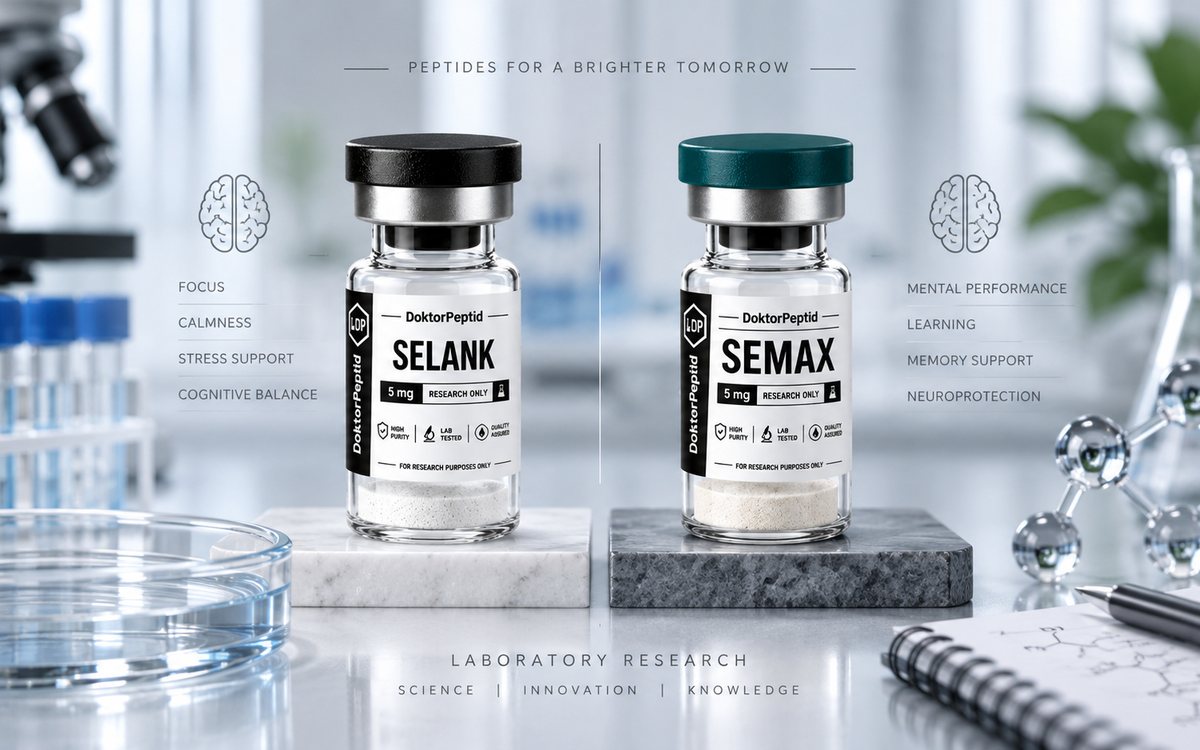
For peptides, the intended use is crucial. BPC-157, TB-500, GHK-Cu, Selank, Semax, Ipamorelin, Tesamorelin, Retatrutide, or Kisspeptin-10 may appear in the scientific literature and in experimental models. However, scientific interest alone or the availability of a research sample is not evidence that a substance is approved for use in humans.
A drug is subject to a strict regulatory regime. Its quality, safety and efficacy are assessed, production must meet relevant standards and marketing requires authorisation. A research chemical operates in a different regime: it is intended for analytical, laboratory or academic work, not for administration to the body.
Likewise, a peptide is not automatically a dietary supplement just because it is sold online or is talked about in a health-related context. Food and supplements have their own rules for composition, safety, labeling, and health claims. A peptide in a vial labeled for research purposes does not fall into this category.
What must be met for legal sales for research?
Responsible sales of research peptides are not just a matter of payment gateway availability and shipping. It starts with a clear product description. The label must state the research purpose and not give the impression that it is a drug, dietary supplement, or material intended for human or animal consumption.
Product documentation is also important. In laboratory work, the customer should be able to verify the identity, declared purity, batch number and storage conditions. Declared purity ≥99 % supplemented HPLC analysis is a relevant quality control parameter, not evidence of clinical safety or therapeutic efficacy. This is a distinction that should be understood with every purchase.
For sensitive or valuable analytical materials, it makes sense to request a batch analysis report. HPLC analysis can help assess chromatographic purity, and mass spectrometry can confirm the expected molecular weight. However, even good analytical documentation does not turn a research chemical into an approved drug.
A legally disciplined vendor also does not offer dosage protocols, therapeutic recommendations, or claims such as „cures,“ „regenerates,“ or „replaces treatment.“ Such communications could conflict with the stated research purpose and may alter the regulatory assessment of the product.
Import within the EU is not an automatic permit
The free movement of goods in the EU does not mean that every product can be sold or used in every Member State for any purpose without further assessment. Rules may vary according to the classification of the substance, national regulations on medicines, veterinary products, chemicals, food and anti-doping regulations.
When ordering from Slovakia, the Czech Republic or another EU country, it is advisable to check in particular the purpose of the procurement, the internal rules of the workplace and the conditions of transport. The laboratory is also responsible for the correct receipt, registration, storage and handling of the material. For specific projects, the rules of ethics committees, institutional procedures or requirements of the funding organization may also come into play.
Where the most common mistakes occur
The first fallacy is: „If a product can be purchased, it is allowed for personal use.“ It is not. The availability of a research substance can only be justified in a laboratory context. The sales page, label, and accompanying documentation should state this limit directly.
The second fallacy associates high purity with medical approval. Purity is essential for the reproducibility of an experiment. It helps the researcher reduce the uncertainty associated with impurities and compare results between batches. However, it does not provide clinical data and is not a substitute for a drug's registration evaluation.
The third fallacy comes from a scientific article or a discussion on social media. Just because a peptide is being studied in a cell model, on animals, or in a specific clinical area does not mean it is approved for standalone use. An experimental hypothesis, a preclinical result, and an approved treatment are three different levels of evidence.
The fourth mistake concerns linguistic abbreviations. Terms such as „for research“, „laboratory quality“ or „analytical purity“ should not function as a formal cover for a purpose that contradicts the product’s labeling. Proper use requires that the declared purpose correspond to the real way of working with the substance.
How to buy peptides responsibly
Before ordering, first define your research question and verify that the selected compound is relevant to your model, method, and analytical procedure. Then, check the product designation, batch number, declared purity, availability of analytical documentation, and recommended storage conditions. Peptides tend to temperature sensitive, humidity, light and repeated handling cycles, therefore logistics and storage directly affect the usability of the material.
The extent of documentation is also important. For work that is to be reproducible or auditable, it is not enough to know the name of the substance and the amount in the vial. The laboratory record should link the material used to the specific batch, date of receipt, storage conditions, and experimental method.
DoktorPeptid approaches these requirements through declared purity ≥99 %, HPLC analysis, batch quality control, and a clear definition of products for scientific purposes only. Such an approach is beneficial mainly because it separates verifiable analytical parameters from unsubstantiated health promises.
If you are unsure of the legal status of a particular substance or intended use, do not rely on general information from product pages. Check the current requirements of the relevant regulatory authority, your institution's rules, and, if necessary, consult an expert in pharmaceutical or chemical law. In peptide research, the best starting point is a well-defined experiment, transparent documentation, and respect for the boundary between laboratory material and product intended for the organism.
Related products
Produkty, ktorých sa táto téma týka: Ipamorelin – skladom na Slovensku, Tesamorelin – skladom na Slovensku, BPC-157 – skladom na Slovensku, TB-500 – skladom na Slovensku. Ceny a dostupnosť nájdete v sekcii všetky produkty, doplnky ako dávkovacie perá a zvýhodnené balíčky sú v samostatných kategóriách.
Všetky produkty sú určené výhradne na laboratórny výskum.